01
Diabetes Prevention
Supporting research that identifies risk earlier and improves prevention strategies for individuals and populations, because preventing a single case is more powerful than managing a lifetime of disease.
From prevention to cure, KiCares supports six interconnected areas of focus, each chosen for its potential to deliver meaningful, measurable impact for people living with diabetes.
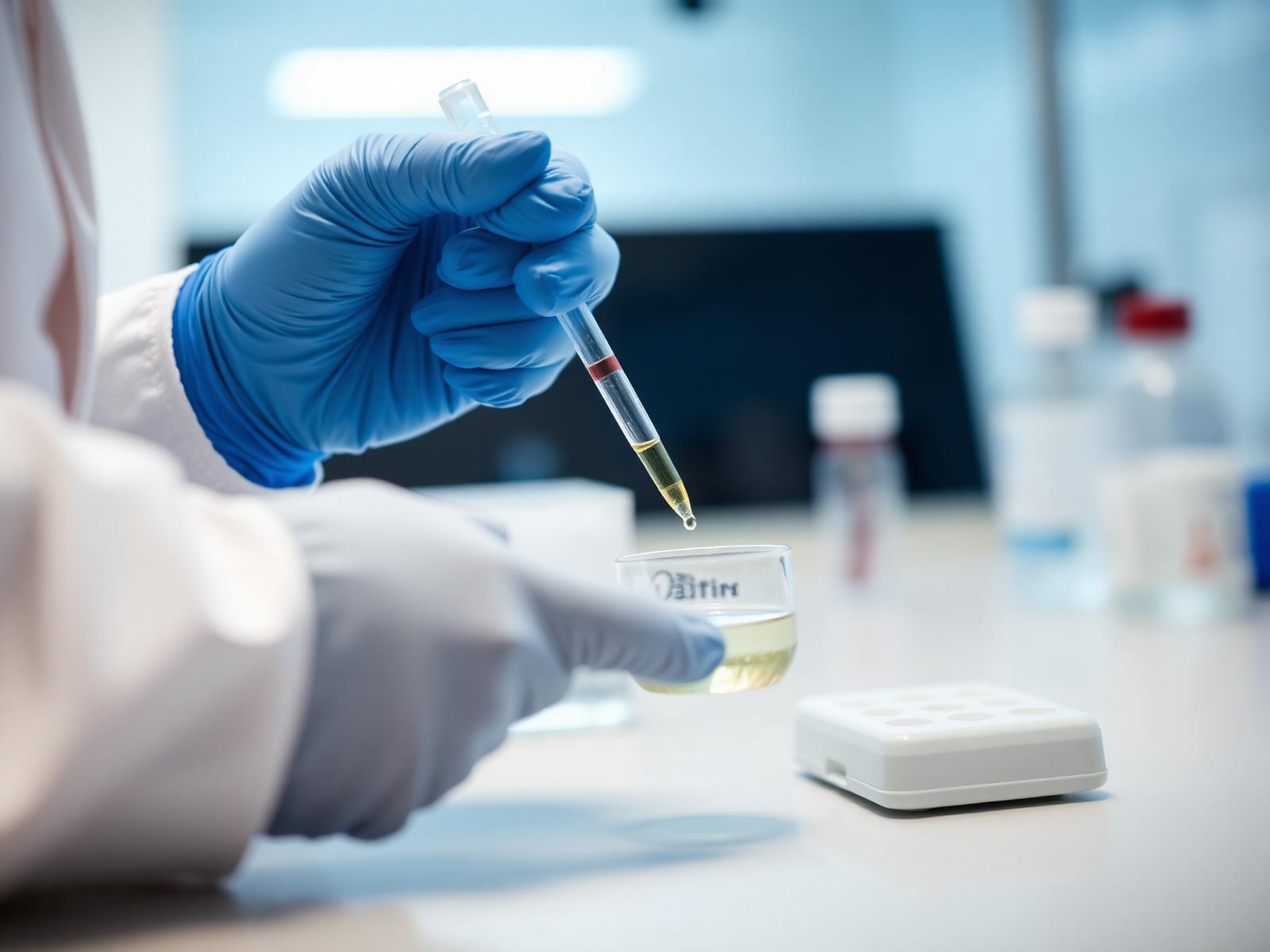
The treatments and technologies that define diabetes care today — from insulin analogs and continuous glucose monitors to islet-cell research and immune-modulating therapies, exist because of decades of sustained research funding.
Yet Type 1 diabetes still has no cure, and millions remain undiagnosed or at risk. Closing that gap requires philanthropic capital that can move faster than traditional grant cycles and reach the high-promise, early-stage science that most needs a champion.
Supporting research that identifies risk earlier and improves prevention strategies for individuals and populations, because preventing a single case is more powerful than managing a lifetime of disease.
Backing innovations, from novel biomarkers to community screening, that enable earlier intervention. Early detection significantly improves long-term outcomes and reduces costly complications.
Funding studies that advance scientific understanding, refine treatment protocols, and elevate the standard of care for both Type 1 and Type 2 diabetes.
Helping move discoveries from the laboratory bench into real-world healthcare solutions, approved therapies, and the hands of clinicians who need them.
Supporting educational programs and community outreach that empower patients, families, and caregivers to live well and advocate effectively.
Investing in next-generation technologies, from regenerative medicine and beta-cell biology to AI-driven discovery and continuous-sensing platforms.
Diabetes drives some of the most serious complications in modern medicine: blindness, kidney failure, heart disease, nerve damage, and amputation. Funded research has already changed what's possible, and continued investment is what will change it again.

Our funding decisions are guided by scientific merit, collaborative potential, and projected patient impact. We partner with leading researchers and institutions to ensure every dollar accelerates the path to better outcomes.
Upcoming Research Collaboration
KiCares Research Institute is preparing to collaborate with Kihealth on the development of a research-focused screening program for individuals at elevated risk for type 1 diabetes.
The initiative will explore how emerging biological measurements, including molecular signals associated with beta-cell injury, may complement established risk-assessment approaches and support research into earlier identification, monitoring and disease progression.
The goal is to create more opportunities to understand biological change before the onset of symptomatic disease.

Research objectives
Develop appropriate research criteria for identifying individuals who may benefit from additional type 1 diabetes risk assessment.
Study molecular signals associated with active beta-cell injury and how they relate to established markers of type 1 diabetes risk.
Explore whether longitudinal biological measurements can provide greater insight into disease progression and patient heterogeneity.
Generate evidence that may help guide the design of future research and clinically appropriate screening pathways.
Research study overview · example
The following illustrates how the research objectives above could take shape as a single observational study — one designed to follow individuals identified at elevated risk and measure how molecular signals of beta-cell injury change over time.
How it maps to the objectives
Collaboration roles

Shared commitment
Research designed to detect biological change earlier, and to make that insight useful for families, clinicians and the wider community.
Type 1 diabetes can develop through a progressive autoimmune process before the appearance of classic symptoms. Research that improves the ability to characterize risk and follow biological change may create additional opportunities for earlier education, monitoring, clinical research and appropriate intervention.

KiCares welcomes conversations with researchers, clinicians, healthcare institutions, philanthropic partners and families interested in supporting responsible research into earlier type 1 diabetes screening.